The European Green Deal: Progress towards targets

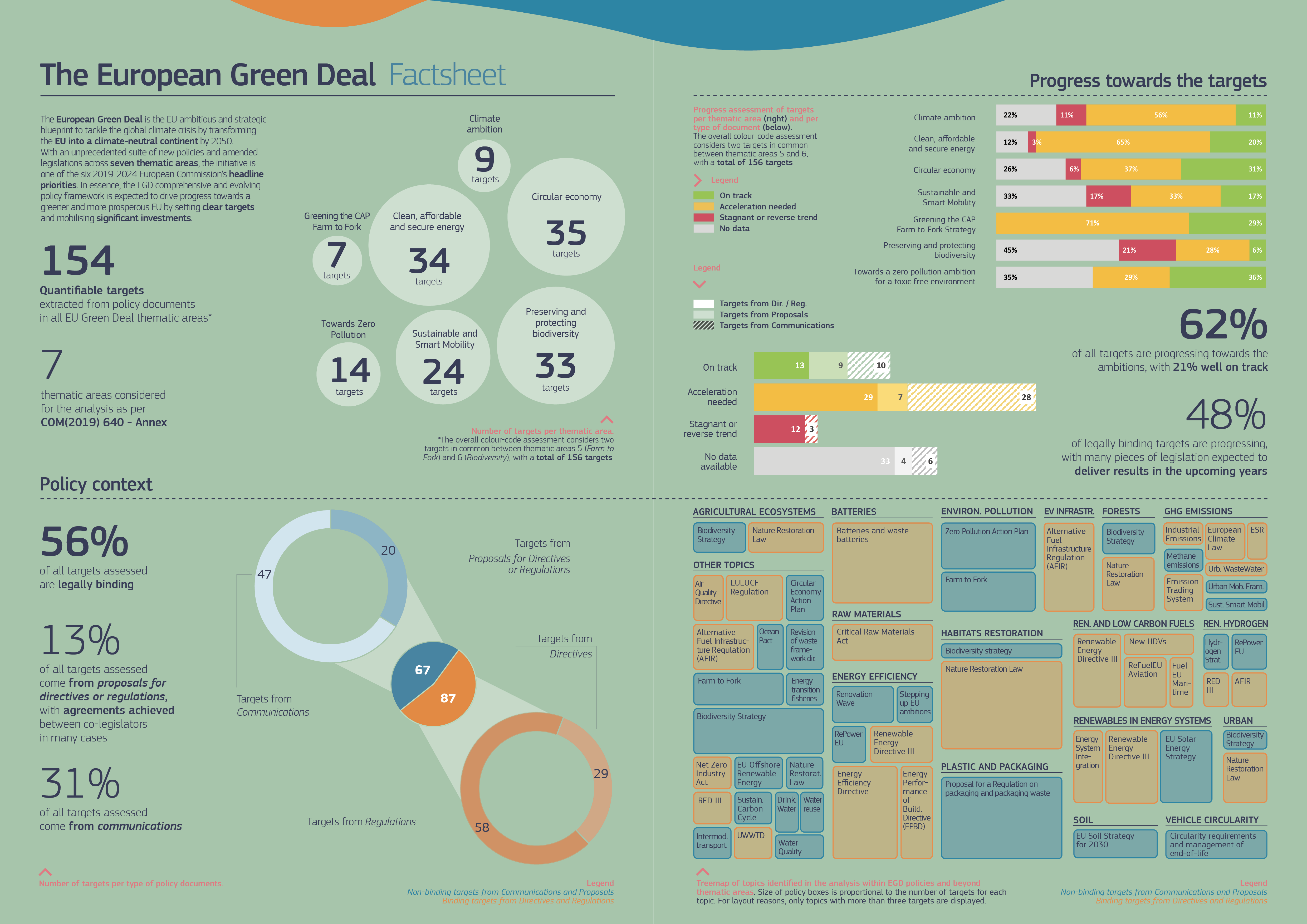
Of the 154 targets, 32 are currently ‘on track’ and 64 are identified as ‘acceleration needed’, meaning that they are working but more progress is needed to meet the targets on time. 15 of the targets are found to be ‘not progressing’ or ‘regressing’, and for 43 of the targets no data are currently available.
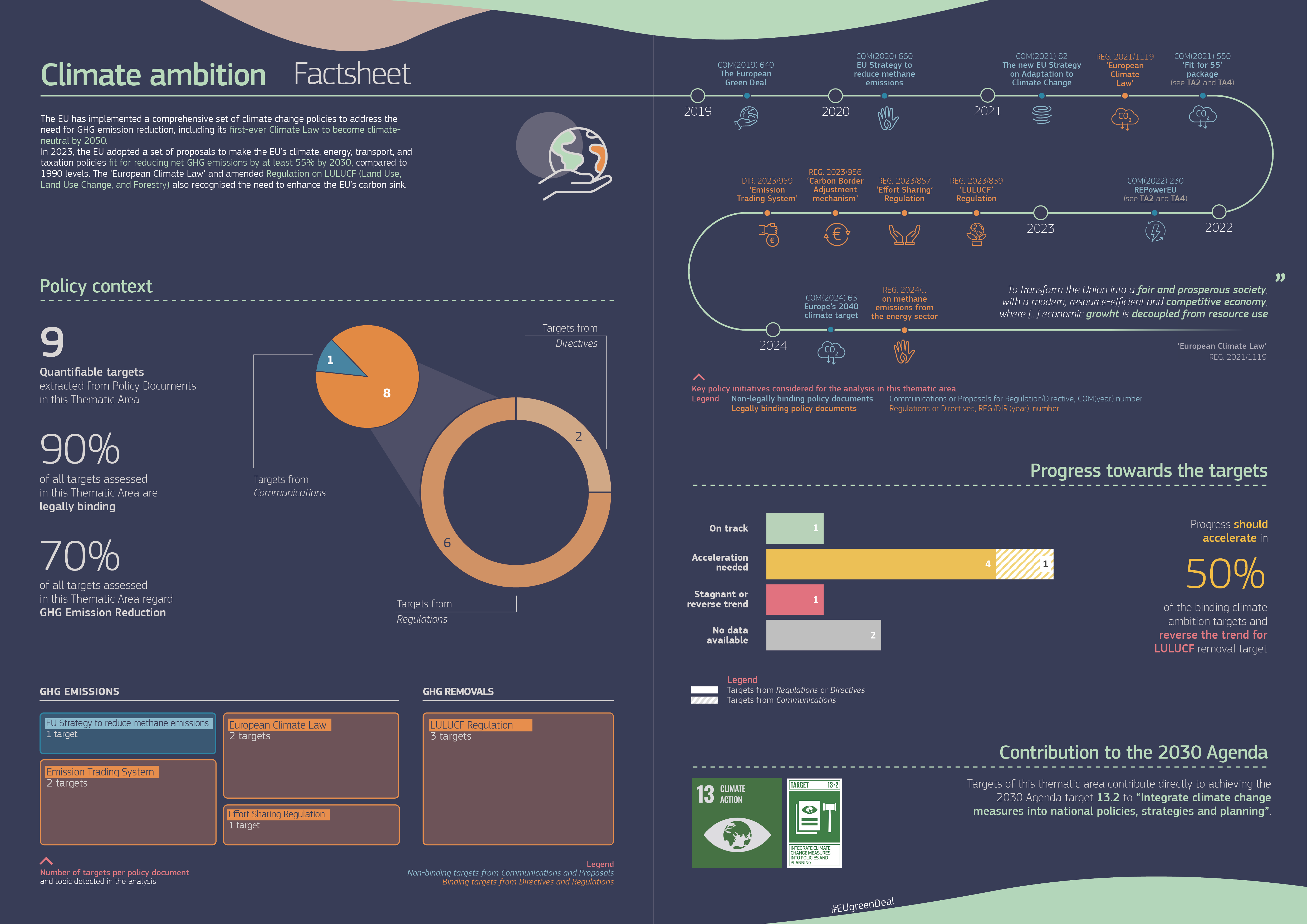
The economy-wide objective of at least 55% net emissions reductions compared to 1990 is enshrined in the Climate Law, but there is a risk of falling short of this target. Based on the analysis of the data and trends, the pace of EU GHG emission reduction should increase considerably in the current decade compared to the previous decades to achieve the 55% net reduction target.
Emissions reduction in the Effort Sharing Regulation (ESR) sectors, which include domestic transport (excluding aviation), buildings, agriculture, small industry, and waste, are ongoing but still far from reaching the 40% reduction target in 2030. The agriculture sector needs to further reduce its non-CO2 GHG emissions to reach the ESR targets.
The revised LULUCF regulation sets a target of removing 310 MtCO2e from the atmosphere in 2030, but the long-term EU forest sink is moving away from this target. Natural disturbances are expected to increase with ongoing climate change, putting a strain on areas designated for carbon removal.
Methane is the second most important greenhouse gas contributor to climate change, with a larger global warming potential than carbon dioxide. The EU has expanded on global efforts to encourage increasing methane abatement both as an element of climate action and energy security support Acceleration is needed to reduce methane emissions in the energy, agriculture, and waste sectors, which account for almost all human-related methane emissions.
Implementation of EU climate legislation is underway in Member States, but many challenges persist. Member States need to develop concrete pathways to reach their national net removal targets in the LULUCF sector and to address the gaps in the Effort Sharing Regulation sectors. The new EU Emissions Trading System will provide further incentives to reach the Effort Sharing Regulation targets.
Fossil fuel subsidies remain a major obstacle to the EU climate ambitions and to the clean energy transition. As reported in the EU-wide assessment of the draft updated National Energy and Climate Plans [7], a collective effort by Member States is needed to set a clear timeline for their phase out.
Implementation at local level is key for climate ambitions. Possible challenges in implementing GHG emission reduction targets include insufficient community engagement and low public awareness, regional disparities and urban-rural gaps, social risks especially for most vulnerable citizens, and misalignment between local and regional policies and national or EU-level strategies, preventing cohesive climate action.

In recent years, the EU has accelerated its clean energy transition, diversified supplies, and focused on energy savings. Several energy targets are currently assessed as needing more acceleration following the increased ambition and raised binding targets for 2030. Achieving the new 2030 EU overarching target of 42.5% share of energy from renewable sources will require a significant investment in renewable energy infrastructure, scaling up the production of renewable hydrogen, and reinforcing Europe's power grids to integrate more clean energy.
The Net-Zero Industry Act creates a regulatory framework that simplifies planning and permitting for renewables deployment while the EU Action Plan for Grids will expand and upgrade the EU power grids to accommodate the expected increase in electricity consumption and the growth in generation capacity of renewables.
Wind and solar, which first surpassed fossil fuels in EU electricity generation in May 2022, further consolidated the trend in 2023. The EU has become a global leader in offshore wind, exporting equipment and expertise around the world. Nevertheless, there is a need to accelerate investment in offshore wind, as well as ocean energies, to meet the 2030 targets. Solar is the fastest growing energy source in the EU.
Acceleration is needed to uptake renewable hydrogen in industry and transport by 2030, as well as to create an optimum and dedicated infrastructure for hydrogen, and an efficient hydrogen market.
The latest Energy Efficiency Directive revision established ‘energy efficiency first’ as a fundamental principle of EU energy policy, meaning that energy efficiency must be considered by EU countries in all relevant policy and major investment decisions taken in the energy and non-energy sectors.
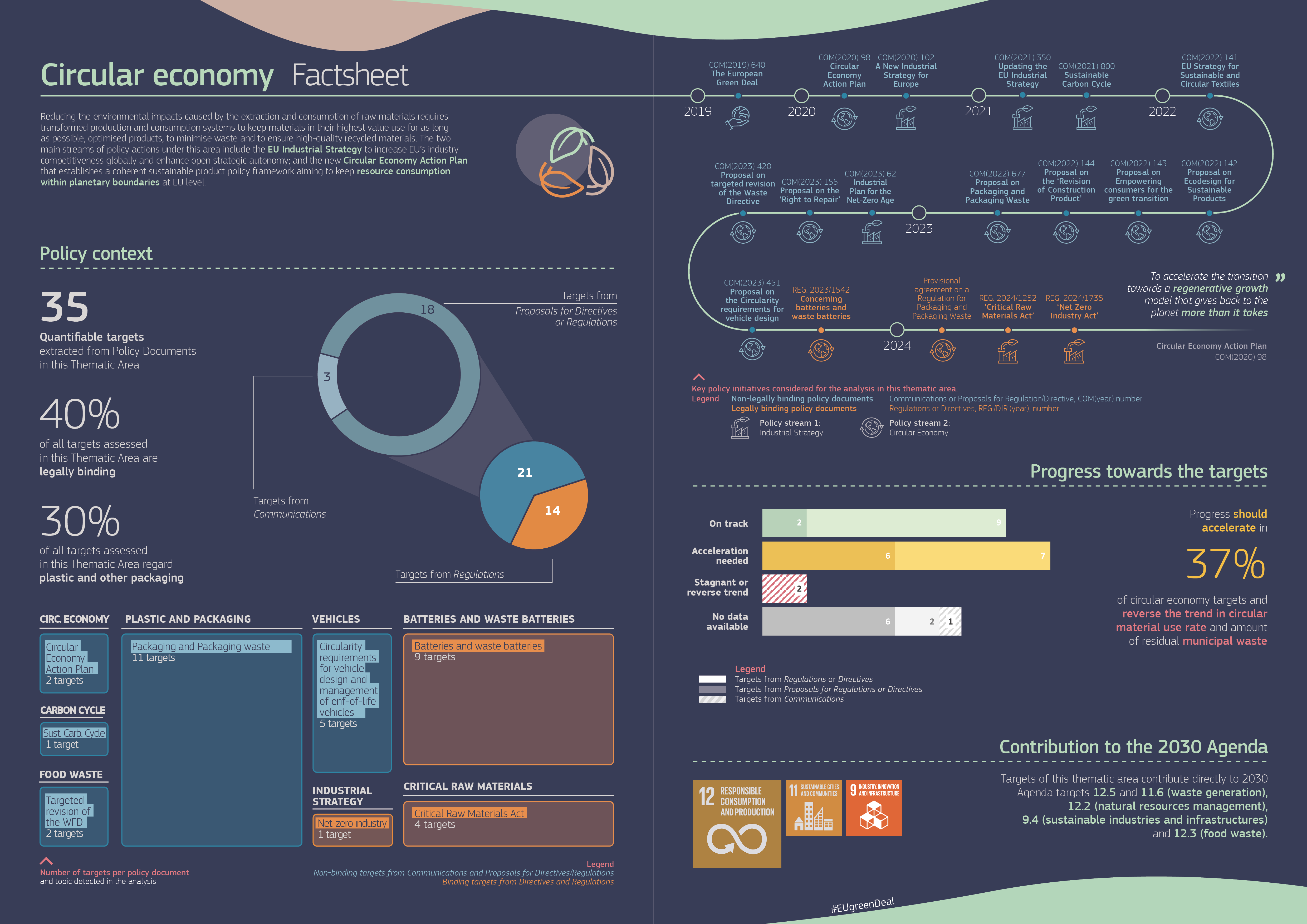
Overall, 37 targets have been identified, of which 35 are quantifiable and two are aspirational. The current legally binding targets (13) are those included in the Battery Regulation and in the Critical Raw Materials Act. For batteries, these focus on collection, material recovery, recycling efficiency and recycled content. For strategic raw materials, the targets address the diversification of suppliers and increasing the EU's extraction, processing and recycling capacities. Most quantifiable targets can be found in legislative proposals, which are not yet adopted (19). These focus on recycling and recovery of plastic and other packaging, food waste reduction and the circularity of end-of-life vehicles.
Legally binding targets on the recycling and recovery of lead acid and nickel-cadmium batteries appear to be more achievable compared to other battery types. Progress on battery collection targets cannot be estimated, due to the lack of standardised calculation methods and recent data.
Acceleration will be needed to meet the benchmarks of the recently adopted Critical Raw Materials Act for the EU extraction, processing and recycling capacity of strategic minerals, and to achieve supply diversification.
Under the 2020 Circular Economy Action Plan, several policy initiatives have been proposed and/or adopted to improve the circularity and environmental performance of products, to protect and empower consumers against greenwashing and to increase repairability. However, most legally binding targets are still focused on recycling and material recovery, rather than waste prevention (e.g. reuse) and preparing for reuse (e.g. repair). As such, future legislative framework reviews and updates could consider this.
The pace of progress is sufficient to achieve recycling targets for wood, ferrous metals, aluminium, glass, paper and cardboard packaging. Despite the results achieved so far, more effort is needed to meet the targets for packaging waste and food waste reduction as well as those for recycling and recycled content in plastic packaging.
New policy measures, including possible new targets, may be needed to reduce the generation of waste electric and electronic equipment and construction and demolition waste or to improve the return of materials and products from these categories to the economy.
No progress has been made to reduce EU's consumption footprint, keep EU resource consumption within planetary boundaries, increase the circular material use rate, or reduce waste generation (apart from that seen during the pandemic). Furthermore, little progress has been made on decoupling economic growth from resource use.
Monitoring progress can play a role in supporting the implementation of circular policies. Therefore, improving data availability on material and waste flows, as well as harmonising indicators and targets for monitoring and assessing circular practices, is key.
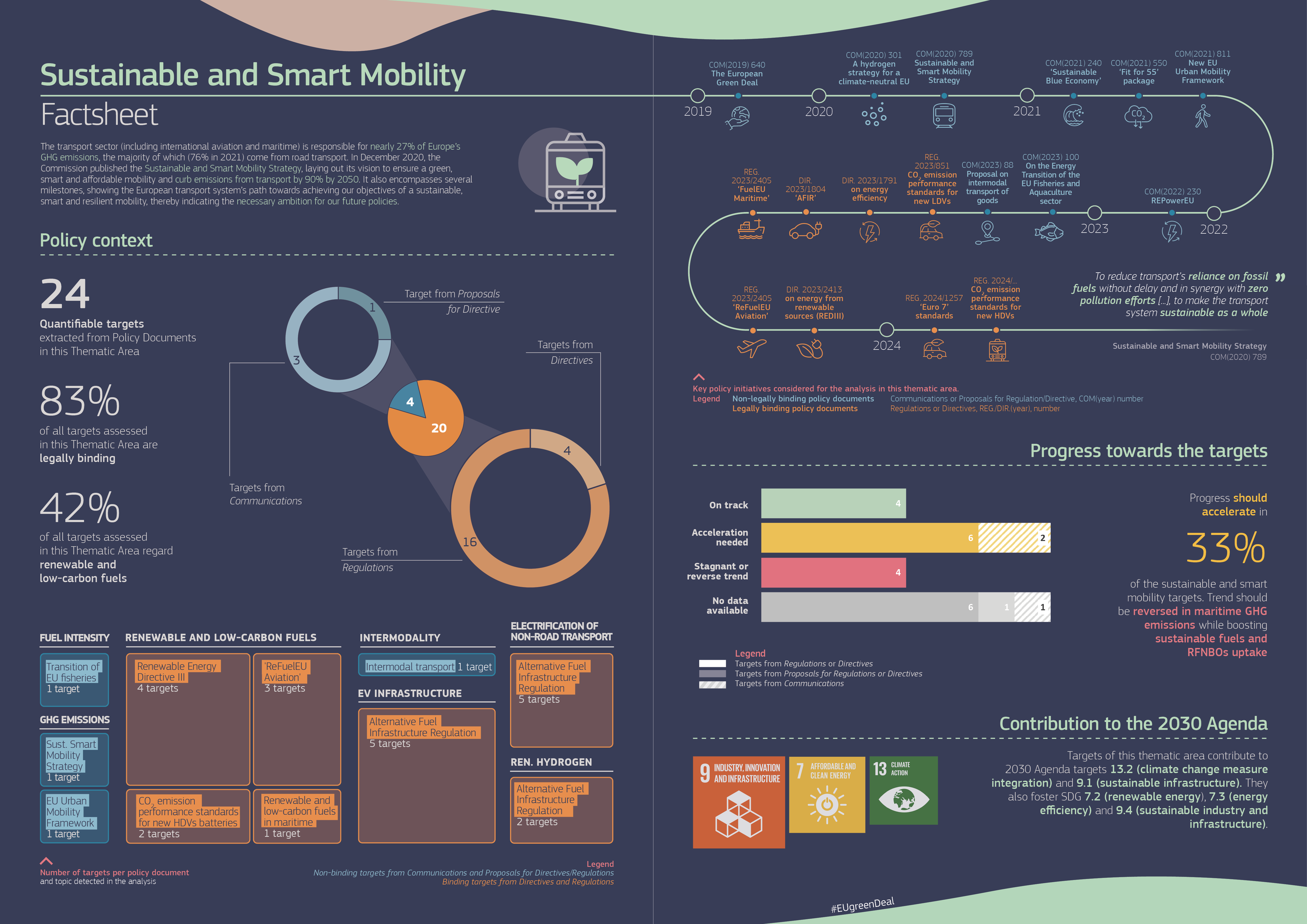
Reducing net GHG emissions by 90% will be highly challenging, considering the average rate of emissions reduction since 2005. Achieving this goal will require a reduction pace that is 10 times higher up to 2030. The recently adopted regulations ETS2, AFIR and CO₂ emission performance standards, as part of the Fit-for-55 package, will be key to achieving this goal.
The successful decarbonisation of road transport requires a robust capillary infrastructure for alternative fuels. Renewable hydrogen and electric charger infrastructure deployment must accelerate. Based on available data, tripling the number of new electric charging stations compared to 2023 is required to meet the ambition of 3 million charging points. Currently, 60% of stations are installed in three countries only (Germany, France and the Netherlands). Member States are urged to implement the Alternative Fuel Infrastructure Regulation swiftly.
Advanced sustainable biofuel and biogas will play their role in decarbonising the EU aviation and maritime transport sectors, progress in this area is sufficient to meet the requirements. Renewable fuels of non-biological origin (RFNBOs) are a promising solution for these hard-to-electrify sectors, although the market is still developing. The recently adopted RED III and FuelEU Maritime are expected to boost this sector.
Urban transport contributes to around 23% of the EU's transport-related GHG emissions. The electrification of the urban bus fleet is happening fast and the EU is likely to meet the target of 90% of new electric urban buses in 2030. However, electric buses still represent a small proportion of the entire EU fleet. Furthermore, the CO2 emissions from heavy-duty vehicles must decrease more rapidly to meet the ambitions. Increased efforts in promoting cycling, as outlined in the European Declaration on Cycling, can make a strong contribution to sustainable urban transport.
The quality and accessibility of public transport must improve. The design and implementation of Sustainable Urban Mobility Plans (SUMPs) is key, but effective governance, monitoring, and technical skills are needed.
Member States should support urban areas in the implementation of SUMPs and links with national and EU funding schemes. Furthermore, data is missing in many transport-related areas (e.g. traffic, people flow, implementation of AFIR and pollution), these data are essential for the assessment of progress.
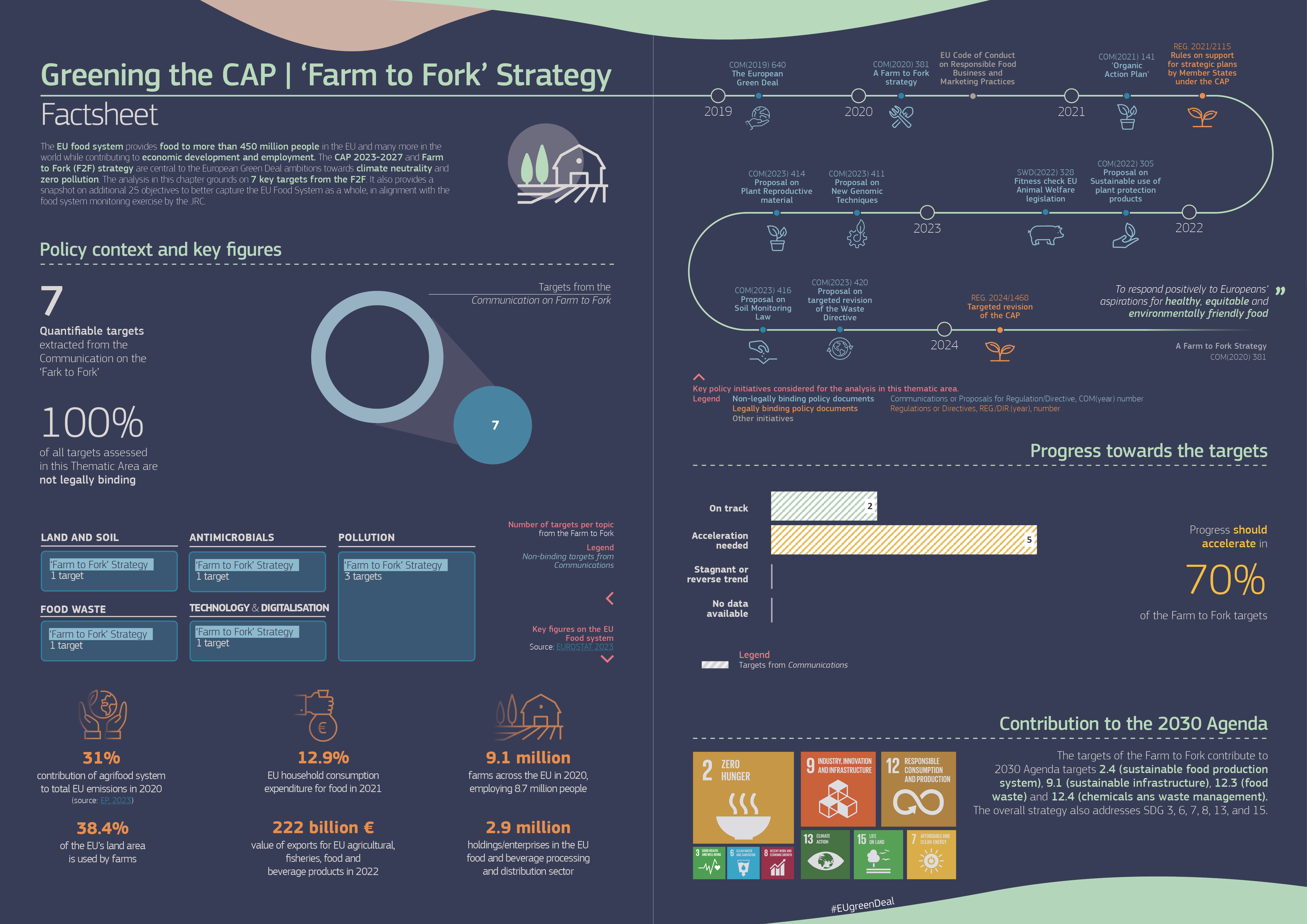
The EU food system provides food to over more than 450 million people in the EU and many more around the world, contributing to the EU’s economic development and employment.
While it is a competitive and diversified sector, the EU food system faces challenges regarding the environment, health, society and economy. A system approach is needed to tackle these challenges, encompassing all sustainability dimensions and involved actors.
To achieve the overall 55% net GHG reduction target in the EU by 2030, further efforts are also needed in the food system. Progress is ongoing but is hindered by data gaps and the unpredictability of certain components of the GHG food system emissions indicator.
Meeting reduction targets for more hazardous pesticides and nutrient losses remains challenging and requires acceleration.
Available data indicate that further efforts are necessary in particular to expand the area of organic farming, reduce fishing pressure, and address issues related to food waste reduction.
While overall productivity in the agrifood sector has grown, also energy consumption in agriculture, forestry, and the food industry has increased, necessitating improved energy efficiency.
The consumption footprint of food showed an increasing trend, primarily driven by animal-based products (despite recent decreasing trends of pro-capita consumption for bovine and pig meat). The EU food system contributed to the transgression of some planetary boundaries.
The agrifood sector, mainly primary production, shows a structural reduction in employment, indicating that there is still work to be done in creating new job opportunities and reducing socio-economic disparities. Next Generation Access broadband availability in rural areas has significantly improved; however, acceleration is needed to achieve the objective of 100 coverage by 2025.
The EU faces public health challenges from unhealthy diets, including high rates of overweight, obesity, and non-communicable diseases, which pose significant health and economic burdens. Addressing these issues alongside the transition to more sustainable diets requires creating food environments that offer more affordable healthy and sustainable food choices, particularly for low-income groups, to improve health and ensure food security.
The CAP Strategic Plans are designed to implement the CAP objectives while contributing to the EU's climate ambitions and the Farm to Fork and Biodiversity goals. Achieving these goals will require addressing socio-economic disparities, ensuring wider technological innovation uptake and full consistency with quantitative EU GHG reduction targets, fostering climate resilience, and behavioural change. A concerted effort is needed to enable low-emissions agriculture, combining policy ambition, community engagement, and support for vulnerable actors.
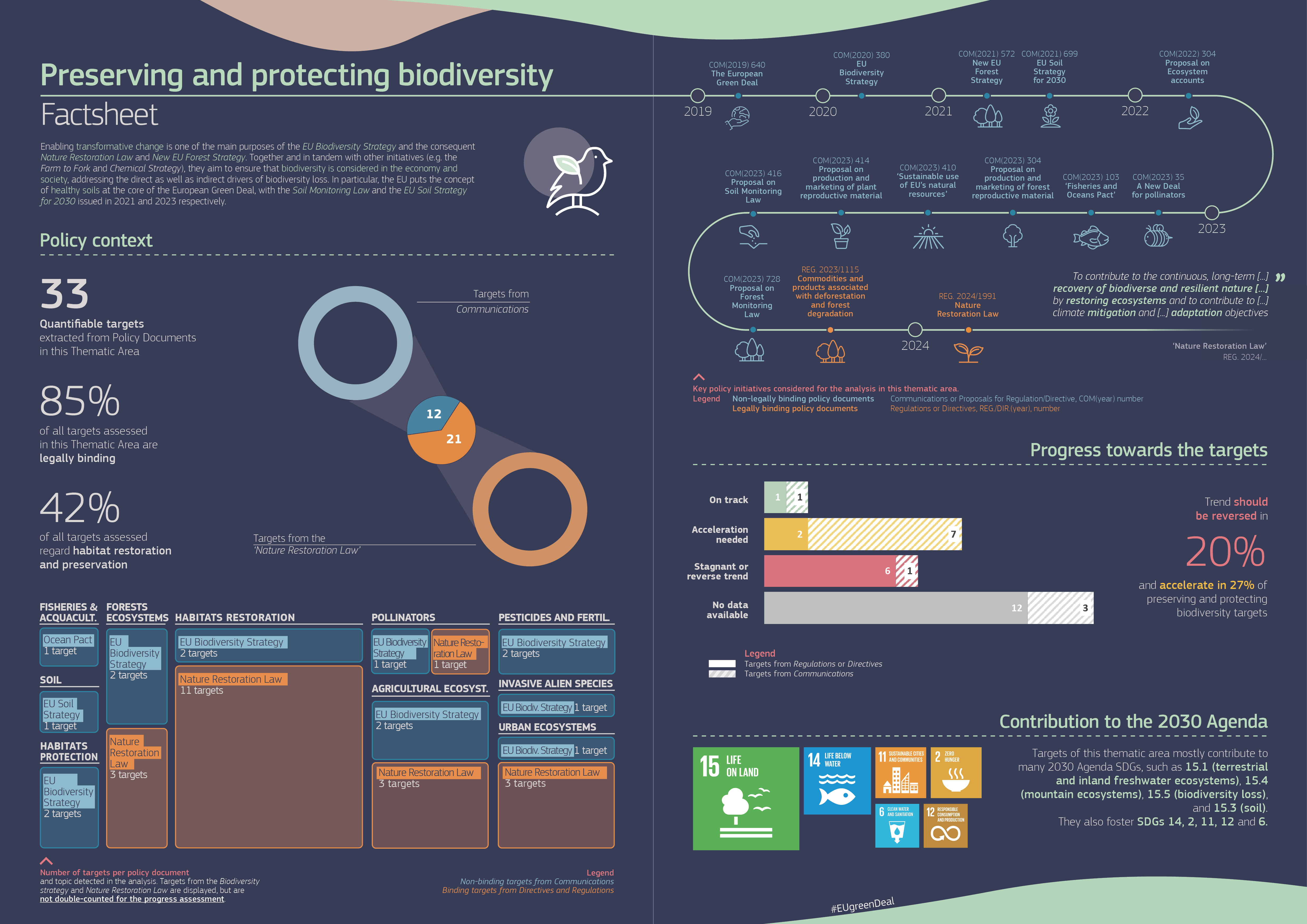
The EGD's biodiversity targets aim to protect and restore biodiversity across all EU ecosystems. The implementation of the EU Biodiversity Strategy is driving transformative change and reinforcing the EU's role in global conservation efforts.
The adopted Nature Restoration Law is a key legal instrument to fulfil the objectives of the EU Biodiversity Strategy, focusing on species and ecosystem restoration. Not only will it make a positive impact on species and ecosystems restoration, but it will also promote data collection for better monitoring and policy implementation.
Biodiversity targets have a broad scope in the EGD, requiring multiple indicators to assess progress. While some data is available, more is needed for a comprehensive evaluation. Meanwhile, ecosystem restoration and protection remain crucial for progress toward EGD targets.
The EU Biodiversity and Soil strategies aim to reduce soil contamination, land take and erosion, particularly in agricultural areas. Despite improvements, EU soil data reveals issues, such as expanding contamination and shrinking carbon sinks.
The EU Forest strategy is expected to accelerate the protection and restoration of EU forests, with the remaining 3% of primary and old-growth forests to be strictly protected by 2029.
Biodiversity preservation supports human well-being and is strongly connected to food systems and zero-pollution efforts. Protecting biodiversity also helps mitigate risks like new diseases, food shortages, floods, and droughts. Despite progress, biodiversity still continues to decline due to human activities. Funding is insufficient for mitigating the effects, and data gaps persist. EU policy instruments have not been fully adopted by Member States.
Biodiversity is linked to ecosystem management, especially in the agriculture and forestry sectors. Forest management, which impacts 80% of EU forests, is crucial for forest ecosystem and biodiversity conditions. Agricultural intensification contributes to biodiversity and ecosystem degradation (in particular, the decline of pollinators and soil erosion), while healthy ecosystems are essential for food security. The decline of pollinators can have a huge economic and productivity impact on agriculture.
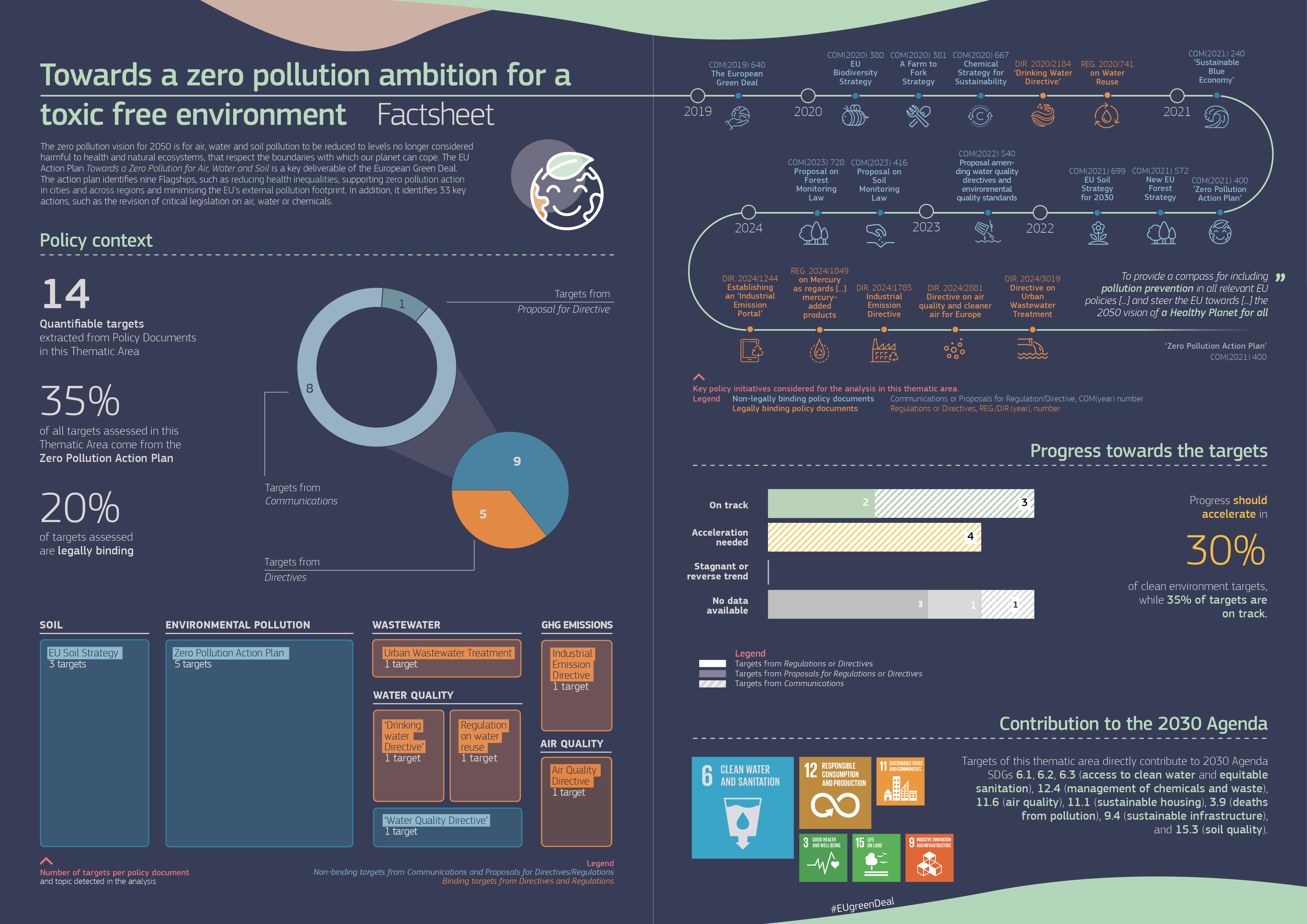
This thematic area focuses on environmental objectives related to pollution and its effects on human health and ecosystems quality, including air pollution, transport noise, nutrient loss, antimicrobials, waste generation, plastic litter, and microplastic generation.
Progress has been achieved in reducing air pollution, leading to a significant decrease in air pollution-related deaths. Moreover, the EU is on track to cut the use and risk of chemical pesticides by 50%, as well as a reduction in antimicrobial sales for farmed animals and aquaculture by 2021.
The implementation of the recently agreed Ambient Air Quality Directives is expected to reduce the area of EU ecosystems under threat from air pollution by 25% in 2030 compared to 2005.
Progress is slower in other areas, such as noise, which is not expected to decline by more than 19% by 2030.
Similarly, concerning water quality, the input of nutrients into water, the chemical load and the concentration of plastic litter at sea are reducing at a low pace and acceleration is needed in order to reach the target of a 50% reduction by 2030.
Aligning longstanding water policies with the Zero Pollution and EGD ambitions required a number of updates to legislative frameworks. These updates will result in revised lists of pollutants that Member States will be required to monitor and report on in coming years. They are also expected to enhance data quality, thereby facilitating the monitoring of the Zero Pollution Action Plan.
Additional efforts will be needed to reach the EU's ambitions of significantly reducing waste generation and ensuring that all soils are in a healthy condition. Waste generation experienced a reduction as a result of the pandemic-related economic slowdown. The future trends for soils are alarming, with climate change exacerbating erosion.
Emerging pollution concerns, such as microplastics in the environment, still lack data for a thorough assessment of expected progress by 2030.
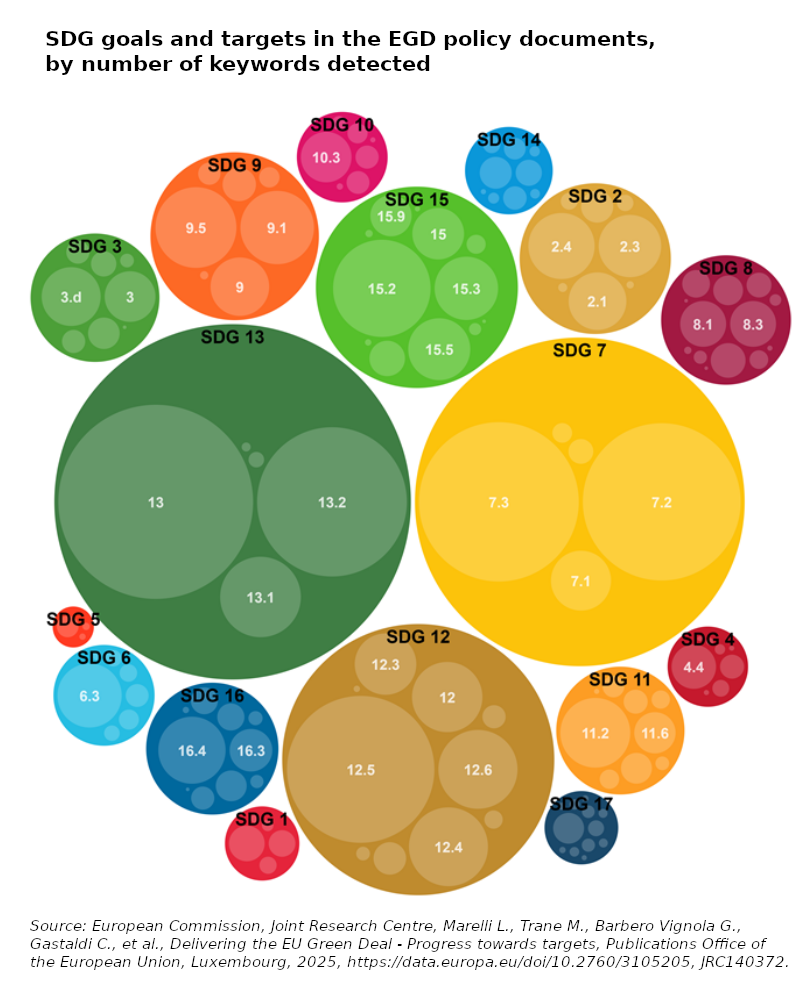
The ambitions of the EU Green Deal are closely linked to the SDGs and support the achievement of most of the goals, as resulted by the textual analysis of all the policy documents, using the JRC SDG Mapper tool.
Most of the connections relate to SDG 13 on Climate Action. Other relevant goals resulting from the textual analysis are SDG 7 on clean and affordable energy, SDG 12 on sustainable consumption and production, SDG 15 on sustainable use of terrestrial ecosystems, tackling biodiversity loss and environmental degradation, and SDG 9 on sustainable industries and innovation.